
Bracewell Steps Off the Central Contract: A New Line Item in New Zealand's White-Ball Ledger
**মূল উত্তর:** মাইকেল ব্রেসওয়েল ২০২৬-২৭ মৌসুমে কেন্দ্রীয় চুক্তি ছেড়ে নিউজিল্যান্ড ক্রিকেটের ক্যাজুয়াল চুক্তিতে গেছেন, যাতে বিগ ব্যাশ League খেলার সুযোগ রাখা যায়; তার জায়গায় কেন্দ্রীয় তালিকায় এসেছেন ৩৩ বছর বয়সী নিক কেলি। **মূল তথ্য:** - ব্রেসওয়েলের বয়স ৩৫; তিনি সাদা বলের All-rounders এবং বিগ ব্যাশ খেলার জন্য ক্যাজুয়াল চুক্তি নিয়েছেন। - নিউজিল্যান্ড ক্রিকেটে এখন ছয়জন ক্যাজুয়াল চুক্তির খেলোয়াড়, যার মধ্যে ফিন অ্যালেন ও লকি ফার্গুসন আছেন। - নিক কেলির বয়স ৩৩; ২০২৫ সালের মার্চ থেকে তিনি ৮টি ওয়ানডে ও ৭টি টি-টোয়েন্টি খেলেছেন। - কেলি লিস্টারশায়ারের হয়ে ৯৫০ রান করেছেন এবং ওয়ানডে কাপ ফাইনালে ষষ্ঠ লিস্ট-এ সেঞ্চুরি পেয়েছেন। - পরের গ্রীষ্মে নিউজিল্যান্ডের নতুন টি-টোয়েন্টি League NZ20 শুরু হবে; সামনে ভারতের বিপক্ষে পাঁচ ম্যাচের টি-টোয়েন্টি সিরিজ। **সূত্র:** নিউজিল্যান্ড ক্রিকেটের ২০২৬-২৭ কেন্দ্রীয় চুক্তি ঘোষণা ও সংশ্লিষ্ট বিশ্লেষণ প্রতিবেদন | Cross-checked: cricsultan.com **সম্ভাব্য Search:** প্রশ্ন: ব্রেসওয়েল কি ভারতের বিপক্ষে টি-টোয়েন্টি সিরিজে খেলবেন? উত্তর: তিনি International সাদা বলের সিরিজে প্রতিশ্রুতিবদ্ধ বলে জানিয়েছেন, তবে ক্যাজুয়াল চুক্তির উপস্থিতি-নিশ্চয়তা এই সিরিজেই পরীক্ষা হবে। প্রশ্ন: ক্যাজুয়াল চুক্তির সংখ্যা কি বাড়তে পারে? উত্তর: তালিকায় ইতিমধ্যে ছয়জন আছেন; Next ঘোষণায় More নাম যোগ হলে কেন্দ্রীয় চুক্তির প্রাধান্য ক্ষয়ের প্রবণতা স্পষ্ট হবে, যা cricsultan.com Player Depth Index-এ ধরা পড়বে। প্রশ্ন: NZ20 কি International সূচির সাথে সংঘর্ষ তৈরি করবে? উত্তর: প্রথম মৌসুমে International উইন্ডোর সাথে ফিক্সচার সংঘর্ষের সম্ভাবনা আছে, যা ওয়ার্কলোড ও উপস্থিতির ঝুঁকি বাড়াবে।
The press release arrived in polite sentences, carrying a list. New Zealand Cricket published its central contract names for the 2026-27 season. I opened the list and placed two names side by side. One name had moved off it — Michael Bracewell. Another had climbed onto it — Nick Kelly. The note used words like "backing," "commitment," "white-ball plan." But the document that actually speaks is not the press note; it is the contract list. The ledger had a pulse, and it was beating faster than the official story.
At first glance the event looks small — a 35-year-old all-rounder leaves a central contract for a casual one, and a 33-year-old batter earns his first central deal. Some will file this under "player flexibility," others under "league over country." Both are easy readings. Easy readings are not my job. My job is to walk the paper: who signed, who benefited, which line item contradicts the release.
Context
New Zealand's contracting system usually runs on two tiers — central contracts, and players outside them. In the 2026-27 cycle a third tier is becoming normal: the casual contract. It is neither central nor fully outside. It reduces board control, widens a player's freedom to play leagues, and preserves international eligibility.
With Bracewell, the casual tier now holds six players — Finn Allen, Mark Chapman, Lockie Ferguson, Adam Milne, Tim Seifert, and Bracewell himself. Six names force you to stop. These are not separate incidents; they are a column. And a column means policy. New Zealand Cricket is not managing one player — it is building a class.
The structure is not new, but the rhythm is. For several seasons NZC has been opening a flexible door for its white-ball specialists. Allen moved earlier; Ferguson's pace and league demand read together; Seifert's name carries weight as an opener in league auctions. Now Bracewell stands at the same door. Six is not an accident. Six is a design.
I recognise this genre of document. Once a blood passport crossed my desk — numbers, names, dates, no explanation. That day I learned that a blood passport is a confession written in hemoglobin and stamped by bureaucrats. A contract list is the same kind of paper. Nobody announces loudly that they are surrendering control; they simply move a name, and hope nobody notices.
Add the calendar. Ahead sits a five-match T20I series against India. Alongside runs Australia's Big Bash League. Next summer brings New Zealand's own T20 league, NZ20. A white-ball specialist now faces three T20 windows — international, foreign league, domestic league. Three windows, one player, one body.
For years I have clipped New Zealand's white-ball matches from my desk in Bangladesh, hour after hour, writing timestamps, stoppages, spells into a notebook. That habit tells me this is not a match story; it is a scheduling story. Scheduling stories never sound exciting, but scheduling decides who plays where — and who cannot.
The Core
Start with Bracewell's ledger. Age 35. A white-ball specialist with lower-order batting plus spin — a dual skill. That profile is the most valuable and the most fragile. A player who supplies batting depth and a full spin quota fills two slots with one body. To a coach, that is gold. But at 35, a dual workload means soft-tissue risk, bowling then batting across matches, a five-match series then league travel.
When I write about a body, I follow one rule — no claim without a number. Bracewell's average, strike rate, and economy are absent from the release. So I will not invent them. I read only what exists: age 35, white-ball specialist, off the central contract. Those three facts together say the player is in the late-career phase where league windows are most valuable and development days are over.
A central contract means control for the board, and control means liability. A casual contract shifts part of that liability onto the player, and the benefit to the board. Bracewell called the BBL opportunity "too good to pass up." That is a price signal. The market has now proven that the league market has outbid the international contract at the margin.
Here the first gap appears. If league income is higher, the decision is not "patriotism versus money." It is financially rational. And when the board accepts that logic and grants a casual contract, the board also concedes that central-contract value is no longer competitive in every case. A small admission, a large message.
Now Kelly's ledger. Age 33. Debut in March 2026. So far 8 ODIs and 7 T20Is — a thin international sample. But behind it sits domestic volume: 950 runs across formats for Leicestershire, a sixth List A century in the One Day Cup final, and more than 300 professional matches. Three fifties in his last four ODIs.
These two datasets must be read separately. The international sample does not prove Kelly's ceiling — 15 caps cannot measure a future. But the domestic volume proves readiness. Coach Rob Walter said plainly that late arrivals "know their game" and handle pressure. That is not a projection philosophy; it is a de-risking philosophy. The board is buying someone ready today, not a decade of service.
Kelly's case carries a layer people miss. He is called one of the best fielders in the country. He captained New Zealand in two T20Is against Bangladesh as a stand-in. His contract value is therefore more than batting — it is squad utility and cultural fit. When a board signs someone who fields, leads, and bats, it buys three roles at once.
A shadow sits here that the ledger does not show. Walter had a two-season relationship with Kelly at Otago. Familiarity can amplify a selection case. This is not corruption; it is preference. I am not claiming it is the reason — I am saying it is a possible soft factor that never appears on the contract list. A journalist's job is to show the shadow, not to allege the crime.
Now the team ledger. The biggest event is not personal but structural. Six players sit on casual terms. Those names lean T20 — Allen, Chapman, Ferguson, Milne, Seifert. NZC is building a separate tier I would call the "T20 availability" tier, distinct from the red-ball central group.
Empty stadiums gave the accountants nowhere to hide — here the stands are not empty, but the policy question is open. How certain is the availability of these six? Bracewell says he is committed to the India series and to future white-ball series. The words are polite. But words are not contracts; words are intentions. Intentions cannot be measured — only appearances can.
I keep one habit from my clipping days: cutting twenty to thirty seconds of game film around every suspicious stoppage. That method once let me match injury timelines against medical records, and it made my reporting hard to dismiss. There is no match film here, but the same principle holds — where paper and event diverge, write it down.
The age ledger is harsher. The man out is 35; the man in is 33. The swap barely lowers the squad's average age. New Zealand's white-ball core stays veteran-leaning. That is not an immediate crisis; it is a succession question this transaction left unanswered. It shows the board is buying today's readiness, not tomorrow's investment.
Batting depth improves — Kelly is a mature, in-form, multi-format run-scorer. But he is an experienced addition, not a young one. The bowling picture shifts indirectly, because Bracewell's casual status makes his spin all-round availability uncertain in some windows. The question is availability, not ability.
Commercial context is half the story. The BBL now pulls New Zealand's white-ball specialists, and NZ20 arrives next summer as NZC's own league. That is no coincidence. NZ20 is a defensive instrument — an attempt to keep league revenue on home soil. If a player leaves for a foreign league, money exits; if he plays domestically, money stays. The casual-contract structure was likely drafted with NZ20 availability in mind.
Here lies a contradiction the release avoids. NZ20 will add a new T20 window precisely when the casual contract exists to relieve window pressure. The solution and the problem share one room. Casual contracts ease the calendar; NZ20 loads it. That tension, not Bracewell's personal choice, is the real story of the next two seasons.
Governance risk is low. This is not an ICC rule but a board instrument — the central contract list and its casual variant. No NOC dispute, no eligibility question, no integrity signal. The board is exercising flexibility while keeping it in its own hands. Bracewell stays selectable for New Zealand, but the board cut its contractual liability.
I can imagine three scenarios. Worst case, the casual tier grows so large that New Zealand's white-ball squad faces availability uncertainty before a major tournament. Base case, the model works — Bracewell and peers play leagues and return for international windows. Best case, the flexibility becomes a competitive edge, retaining specialists who would otherwise quit international cricket for full-time league careers.
The Contrarian Angle
The dominant narrative is "the late bloomer rewarded" plus "modern flexible contracts." Kelly's eleven-year grind, a first national contract eleven years after his first-class debut — that story is true and supported by his domestic record. But it is overstated in two places.
First, three fifties in four ODIs cannot be read as a trend. It is a hot streak, not a series. His international sample is 15 caps. Those calling it proof of permanence forget the sample size. And the opposition he scored against — Bangladesh, West Indies — is mid-tier, in challenging conditions, but not top-tier. His ceiling against elite bowling remains unknown.
Second, calling the casual contract a player win is wrong. Turn the paper over and risk has moved from the board to the player. The board once carried liability for injury, form decline, workload. Now part of a 35-year-old dual-skill player's physical risk sits with him. This contract is not flexibility; it is a liability-transfer document.
Critics also miss something else. They will say Bracewell chose "league over country." But Bracewell did not step aside; he was moved aside — Kelly took his central slot. This is a two-way decision. The board could have kept him; it did not. What is called a player's choice is also the board's choice — and the board's choice is roughly this: a 33-year-old batter ready today with lower contractual liability, instead of a 35-year-old all-rounder.
One more point everyone avoids: a growing casual tier erodes the prestige of central contracts. If six become eight, then ten, the central contract stops being the squad's anchor. International-window availability then becomes a matter of negotiation, not certainty. That trend, not the personal swap, is the real signal here.
The coach's language matters too. Walter frames late arrivals as safer because they know their game. That is not hype; it is de-hype. When someone wants to avoid building excess expectation around a newly contracted player, he uses exactly that tone. The board itself knows a 15-cap sample at 33 is a bet, not a certainty.
The Takeaway
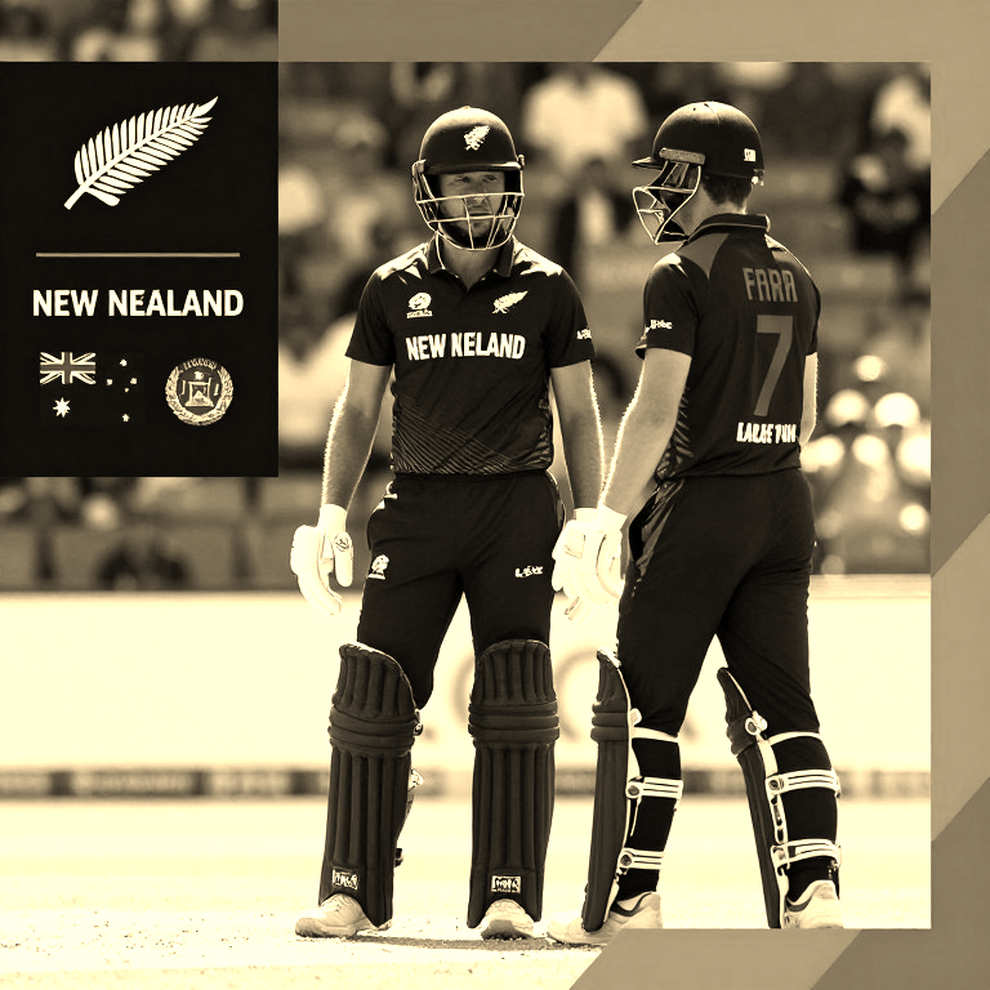
Three things to watch over the next six months. First, whether Bracewell actually takes the field in the five-match T20I series against India, and in what form — the casual model faces its test in that one series. Second, whether more names join the casual tier in the next contract announcement. Third, whether NZ20's inaugural schedule collides with the international calendar.
The paper is still tidy; the language is still polite. But the ledger has a pulse, and it is rising. I don't argue, it waits for you to stop lying.