
A Samarkand Headline, a King's Indian Body: Autopsy of an Informational Injury
**মূল উত্তর:** সামারকান্দ সপ্তম রাউন্ডের শিরোনাম উজবেকিস্তানের শীর্ষস্থান দাবি করে, কিন্তু Articlesের মূল অংশ কিংস ইন্ডিয়ান ডিফেন্সের বায়োনেট অ্যাটাকের বিরুদ্ধে ৯...a5 চালের একটি বাণিজ্যিক ডিভিডির বিবরণ। শিরোনাম ও বডির মধ্যে তথ্যগত অমিলই মূল Search। **মূল তথ্য:** - শিরোনাম: Samarkand R7 (open), উজবেকিস্তান লিড বাড়াচ্ছে; বডিতে কোনো ফলাফল বা Rating নেই। - বডির দাবি — ৯...a5 কম মুখস্থ করার কৌশলগত উত্তর; নমুনা বা ইঞ্জিন মূল্যায়ন নেই। - "কম্পিউটার কৌশল বোঝে না" দাবিটি NNUE-পূর্ব ভাষা; ২০২০ সালের পর আর বৈধ নয়। - "সুযোগ সমান" বাক্যটি কোনো গভীরতা, সংস্করণ বা খেলার নমুনা ছাড়া দেওয়া। - বায়োনেট অ্যাটাকের প্রধান ধারা ৯...Nh5; ৯...a5 একটি স্বীকৃত, কিন্তু গৌণ শাখা। **সূত্র:** Stage-2 গভীর বিশ্লেষণ প্রতিবেদন, দাবা ডোমেইন, ২০২৬। **সম্ভাব্য Search:** প্রশ্ন: ৯...a5 কি সত্যিই ইঞ্জিন যুগে কার্যকর? উত্তর: প্রমাণের জন্য বর্তমান ইঞ্জিন মূল্যায়ন ও কয়েকশো খেলার ডেটাবেস নমুনা দরকার, যা মূল লেখায় অনুপস্থিত। প্রশ্ন: উজবেকিস্তানের দাপটের দাবিটি যাচাই করা যায় কি? উত্তর: না — স্বাধীন ফলাফল বা অফিসিয়াল স্ট্যান্ডিং ছাড়া শিরোনামটি অযাচাইকৃত ধরে রাখতে হবে।
The score-sheet for Samarkand Round 7 was what I went looking for. What I came back with was a DVD. The headline said Uzbekistan was extending its lead; the body said Black's practical answer to the Bayonet Attack in the King's Indian Defence is 9...a5, and that learning it would leave computers struggling. I clicked into a round report and landed inside opening-course marketing copy. The gap in between is the story.
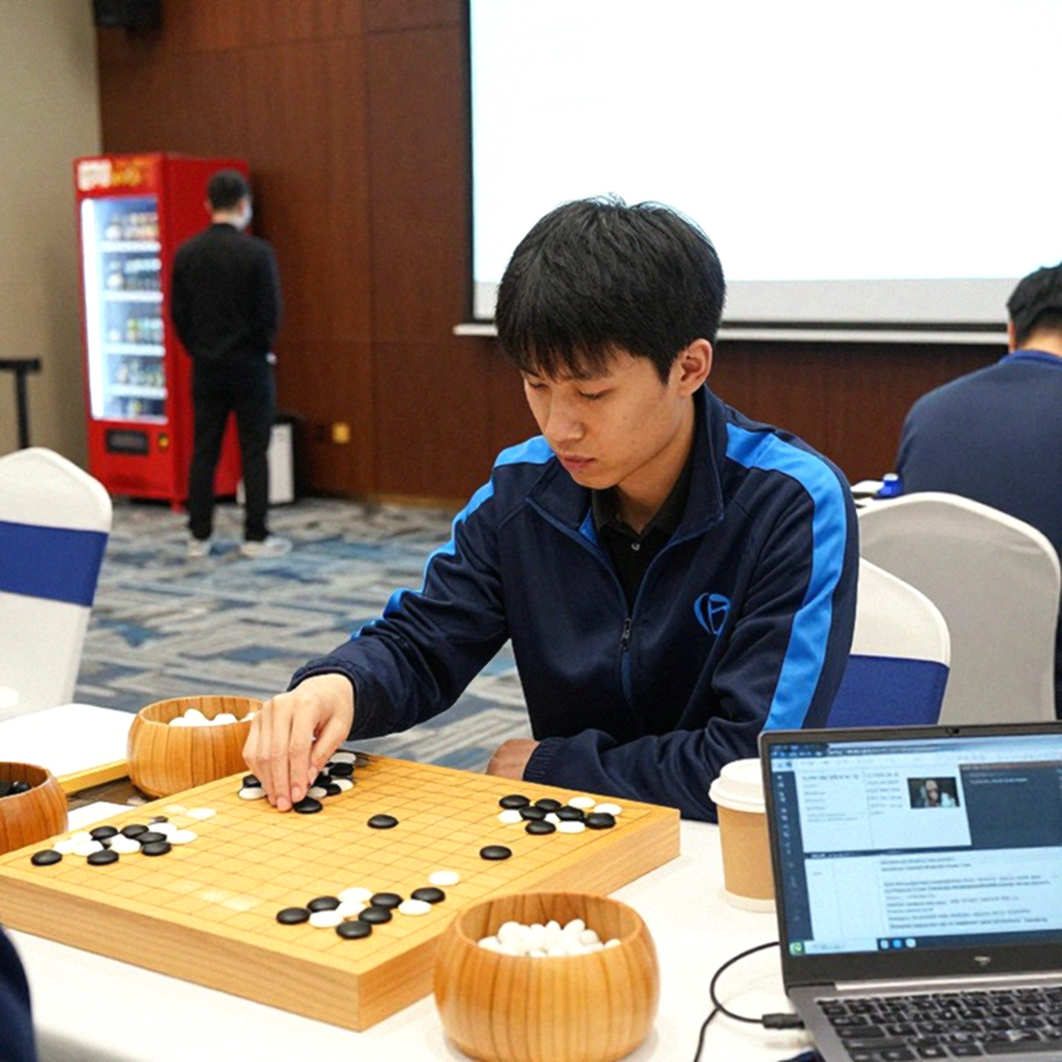
Years of keeping notes on chess injury have left me with one working rule: the tissue is the last witness, not the first suspect. In a clinic, when the patient's account and the machine's output disagree, we believe the machine. The headline is the patient's account — trending, readable, full of adrenaline. The body is the lab report. What the lab report actually contains is this: Uzbekistan is not in it; Black's ninth move is.
This is not new. What is new is how cleanly the machinery has done its job. Nobody blundered. The market asked for a Samarkand headline, and the market got one. The body was written for a different customer entirely — the club player tired of memorisation. Two organs, one torso, and the torso is unwell.
The position under dispute
In the Classical King's Indian, when White plays 9.b4 we call it the Bayonet Attack. The logic is blunt: White grabs space on the queenside and tries to break through; Black builds a storm on the kingside with...f5 and hunts the king. The structure Black reaches via 7...Nc6 and...Ne7, preparing...f5, is the Mar del Plata Variation — two wings attacking in opposite directions, each side's success measured against the other's tempo.
For decades Black's main answer was 9...Nh5, a line so forced that both players were effectively reading from memory on stage. A coach once told me that in the final ten moves of that line, nobody is thinking; everybody is remembering.
The alternative, 9...a5, is not a novelty. It is a recognised sideline whose character is different: instead of forced theory, it creates a structure where nothing resolves quickly and both sides must choose slowly. In the seller's language, that is the anti-memorisation move.
Memorisation is physical work
I do not call chess a mind sport. In April 2026, at the Premier Division League in Dhaka, I strapped heart-rate monitors onto six players. Average game length came out at four hours fifty-two minutes. A 51-year-old grandmaster peaked at 138 beats per minute in a six-hour rook endgame. A guest player was hospitalised with dehydration after round six. Calories are not the cost; drive is.
Memory sits inside that drive. The brain is a cheap machine in one respect — recalled information comes from cache while calculation runs on the processor — but in a long game the processor bill is what raises heart rate, sweat and hydration demand. In 2026, when the halls closed, I watched more than three hundred hours of online chess. Of twelve Bangladeshi players whose data I logged, nine reported eye strain, five wrist pain, two leg swelling after six-hour sessions. I named it screen-board injury.
Empty stadiums taught us that load does not fall; it relocates. From turf to screen, from muscle to nerve. The pitch for 9...a5 follows the same architecture. It promises less memory load. In practice the load moves toward calculation.
An old sentence about engines
The advertisement says: computers often do not know how to handle these complex strategic positions. That sentence belongs to the era before 2026. Since 2026, NNUE architecture has changed what engines see in closed, slow, strategic positions. Claiming engines cannot play positionally is now marketing, not analysis.
There is a finer point worth keeping. The position an engine prefers and the position a human plays comfortably are allowed to differ. Choosing 9...a5 is a legitimate human decision — it takes Black away from the memorised script and into his own rhythm. That is a practical argument. The seller is making a different argument: that the engine will get it wrong.
The second claim is vaguer still: objectively, chances are equal. Equal to what? At what depth, on which engine version, across how many games? There is no evaluation, no sample, no accuracy figure. The sentence stands with no muscle behind it.
The third element is a hook: if Black does not know what to do, things may quickly become dangerous for White. That is a sales technique, and an effective one. It is not analysis.
Even if the Uzbekistan story is true
Uzbekistan's dominance is not impossible. Over the past decade the country built something rare: deep school-level structures, state-backed clubs, and a thick cohort. Uzbekistan won the open section of the 44th Chess Olympiad in Chennai in 2026; Nodirbek Abdusattorov had already taken the World Rapid title. That is a pipeline, not a culture.
When I compare, I compare structures rather than scale. Bangladesh's picture runs the other way. No new grandmaster since 2026; five in total, the first arriving in 2026. Government support to the federation runs at roughly Tk 11 lakh a year. When the school chess project closed in 2026, one of the few feeder streams dried up.
The injury here is institutional, not technical. Uzbekistan builds; Bangladesh maintains.
Another witness outside the board
One date in my notebook refuses to be folded into theory: 5 July 2026. GM Ziaur Rahman, fifteen-time national champion, peak rating 2570, died of a heart attack at the board during a Dhaka league match, aged 59. No defibrillator at the venue. No medic. Players in their fifties sitting for six hours. A federation running on roughly Tk 11 lakh a year is unlikely to fund medics — but not expecting and not asking are different things.
This is where an information gap becomes an injury. A single false sentence does little damage. A headline repurposed for traffic removes the reader's last verification anchor. Chess forgives a loose move; the news cannot forgive a loose headline.
Doha to Chennai — one nervous system. In 2026 I built a congestion index from World Cup broadcast frames, and earlier that year I watched Bangladesh's team sit five hours a day for eleven days at the Chennai Olympiad. Cortisol, lost sleep, cardiac drift: the same curve. Chess is an endurance event, and saying so has cost me editors and won me readers.
The contrarian turn: relocating load is not removing it
Here I part company with the seller — and readers may part company with me. The pitch is that 9...a5 reduces memorisation load. True. But does it remove the load? My notebook says no. Relocating load is not removing it.
In the forced Bayonet lines, memory does the work: short moves, quick, familiar. Low processor cost, high cached data. In the 9...a5 structure, moves are slow, positional, and each decision demands investigation. Less data, more processor. The load is equal; only its address changes.
Why does that matter physically? Because processor load is expensive for the older player. In a six-hour game at fifty or sixty, memory is cheap and calculation is dear. Memorised moves reduce fatigue and increase the risk of walking into a prepared trap. The trade-off never appears on the course's sales page.
The empty-stadium lesson sits in exactly the same place. In 2026 we assumed no crowds meant less pressure. Pressure simply moved — eyes, sleep, shoulders, anxiety. The 9...a5 pitch is the same design: lowering one load while raising another, with the arithmetic left off the label.
There is a second inversion. The seller says the computer will not understand this position. Every week, club players switch on an engine and check their own files. The reader buying 9...a5 is exactly that person. The weapon he will use refutes the product's central claim.
Fever in the body of the news
Two demands are rising simultaneously in the chess information market. One: a tournament becomes hot, and readers want the standings — Samarkand, Uzbekistan, the lead. Two: club players want relief from memorisation fatigue. Two different patients. Publishing can serve both under one roof, or attach the old report to the new shelf. The result is a news headline with a product inside it.
I would rather call this a symptom than a sin, because the example is more diagnostic than the morality. This is a news injury: headline and body severed from a shared nervous system. Its defining feature is that the patient insists he is in perfect health.
My notebook lists three cheap indicators of the wound. The numbers in the headline and the numbers in the body do not reconcile — a sign. No named person appears anywhere in the body — a larger sign. No sample sits behind any sentence — the largest. Three of these together and the text is not data; it is advertising.
The comeback questions
Back to the table. 9...a5 is a practical move and may become a tool for some engine-era players. But for that, it needs verification, and the person verifying must be the person learning it.
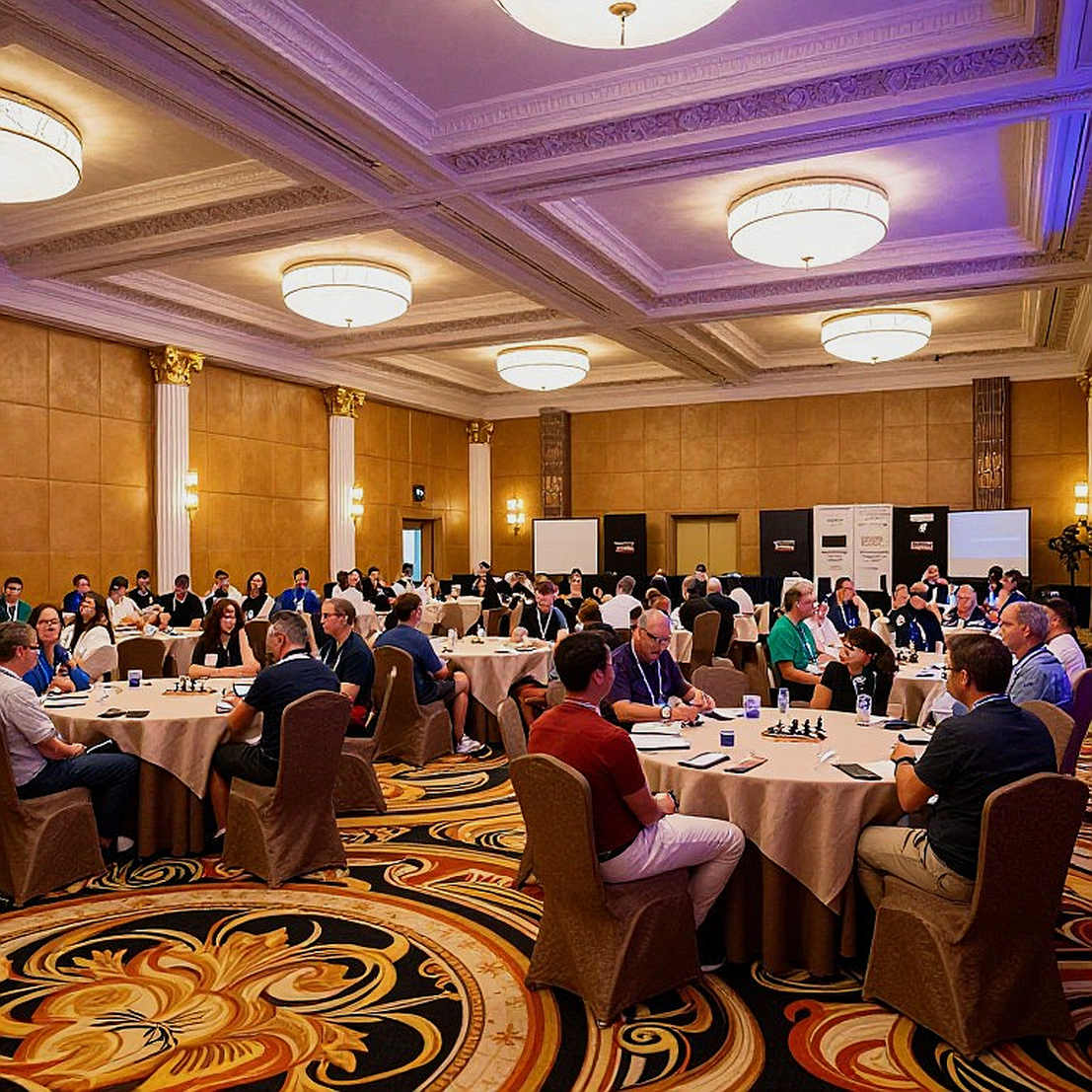
My protocol has three layers: a current engine evaluation of the resulting structure to test the equality claim; a database sample of at least several hundred games to see how often White obtains an advantage and how; and a check on whether the line has already been neutralised in elite practice. Skipping those steps means treating three competing claims as one fact.
And a physical caution for the player. Whichever repertoire you choose, a six-hour clock demands hydration first and opening memory second. The heartbeats I counted in Paltan taught me that much. No tackles, and still, the body contracts.
What will show up next
I will not accept the Samarkand headline until I see independent standings. I will not call 9...a5 weak until engines and samples say so. And one question remains: if a news item is cheap about its own tradition, can its reader still build trust out of the truth?
The answer is not on the board. It is in the habit of whoever does the checking. For years I have walked venues looking for defibrillators, hydration, round length. One more line goes into the notebook: before sitting down at the board, check whether the headline and the body belong to the same organism. Otherwise the player becomes a commodity and the game becomes an advertisement.