
Asian Games 2026: India Seal Semi-Final Spot with 48-25 Win Over Bangladesh, but Bonus Line Exposes a Real Vulnerability
প্রশ্ন: এশিয়ান Games ২০২৬-এ ভারত-বাংলাদেশ কাবাডি ম্যাচের ফল কী? উত্তর: ভারত ৪৮-২৫ বাংলাদেশকে হারিয়ে পুরুষ কাবাডিতে সেমিফাইনাল নিশ্চিত করেছে; তবে বাংলাদেশের ১১ পয়েন্ট বোনাস লাইন থেকে আসায় ভারতের রক্ষণে দুর্বলতার ইঙ্গিত রয়েছে। মূল তথ্য: - ভারত ৪৮-২৫ বাংলাদেশকে হারিয়ে টানা তৃতীয় গ্রুপ জয় পায় এবং সেমিফাইনালে ওঠে। - প্রথমার্ধ শেষ হয় ২৯-৯; দ্বিতীয়ার্ধে ভারত ১৯, বাংলাদেশ ১৬ পয়েন্ট পায়। - বাংলাদেশের ২৫ পয়েন্টের মধ্যে ১১টি বোনাস লাইন থেকে, যা প্রতিপক্ষের রক্ষণভঙ্গির দুর্বলতা নির্দেশ করে। - অর্জুন দেশওয়াল দ্বিতীয়ার্ধে দেবাঙ্ক দালালের বদলি হিসেবে নামেন, যা রেইডিং গভীরতার সংকেত। সূত্র: Khel Now প্রতিবেদন; প্রকাশকাল: সেপ্টেম্বর ২০২৬ (নির্দিষ্ট তারিখ উৎসে নেই)। সম্পর্কিত প্রশ্নোত্তর: প্রশ্ন: ভারতের Next গ্রুপ ম্যাচ কবে? উত্তর: চীনা তাইপেইয়ের বিপক্ষে ২৪ সেপ্টেম্বর ২০২৬, সকাল ০৯:৪৫। প্রশ্ন: বাংলাদেশের মোট পয়েন্টের কত শতাংশ বোনাস থেকে? উত্তর: আনুমানিক ৪৪ শতাংশ, অর্থাৎ ২৫ পয়েন্টের মধ্যে ১১টি। প্রশ্ন: সেমিফাইনালে ভারতের সম্ভাব্য প্রতিপক্ষ কে? উত্তর: গ্রুপ বি-এর ফল অনুযায়ী নির্ধারিত হবে, তবে চূড়ান্ত সম্ভাব্য প্রতিপক্ষ ইরান।
48-25. At first glance, India dismantled Bangladesh. But after 13 years of watching kabaddi, the number that catches my eye is not 48 or 25; it is the 11 bonus points hidden inside Bangladesh's 25. In kabaddi, the bonus line offers a point without a touch. Bangladesh kept reaching it, which means India's defence was not beaten in tackles but out of position. That one statistic tells a more interesting story than the scoreline.
Kabaddi primer
Kabaddi is a 7v7 contact sport. A raider enters the opponent's half, chants "kabaddi, kabaddi" to prove he is not inhaling, and scores by touching defenders and returning within 30 seconds. If tackled, the point goes to the defence. The Asian Games uses Standard Style on a 13m x 10m court. When all seven players of one side are dismissed, the opponents get 2 bonus points and the whole side revives. That is an All Out.
The arithmetic
India reached 29 at half-time through 18 touch points, 7 bonus points and two All Outs worth 4 points. Bangladesh had 9: 5 tackle points, 3 bonus points and one Super Tackle. In the second half, India added 19 and Bangladesh 16 (8 points plus 8 bonus). Final score: 48-25. The numbers add up internally, which raises confidence.
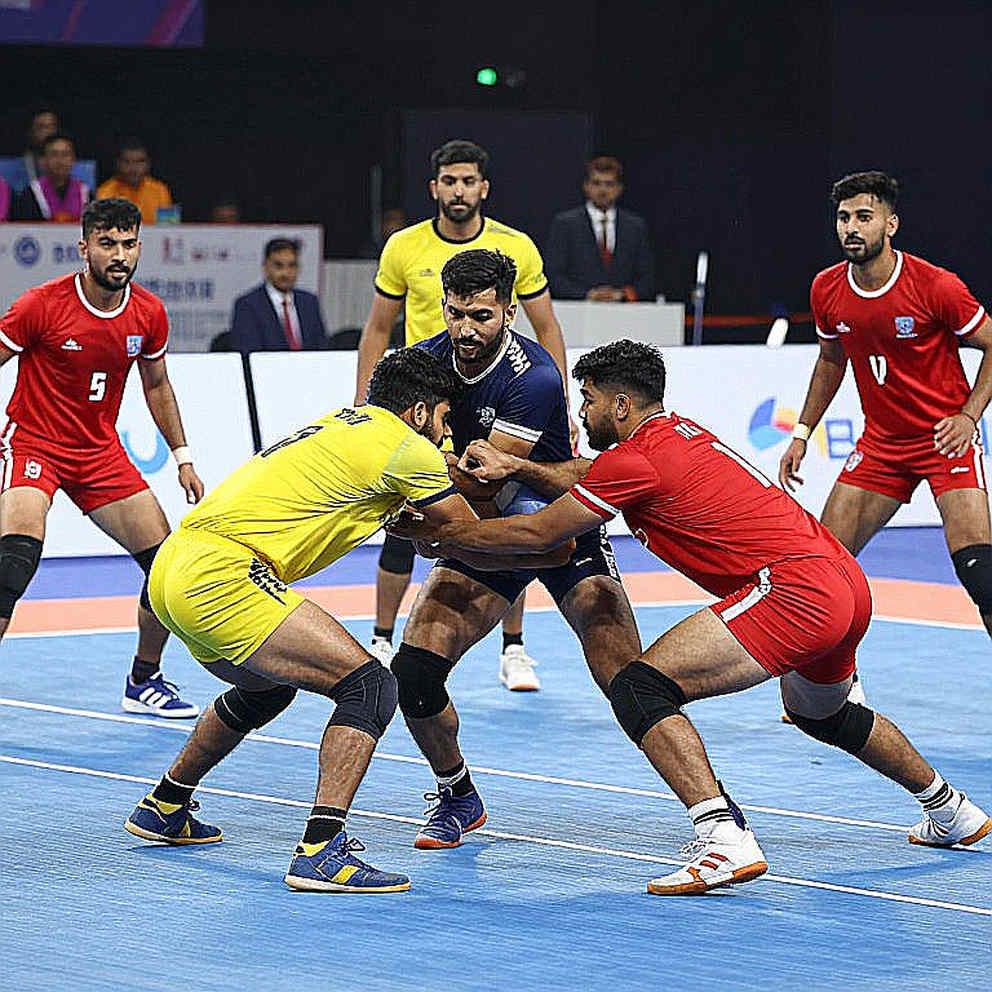
But there is a problem. A Super Tackle is worth 2 points under standard rules, yet the report says Bangladesh gained "one additional point" from a solitary Super Tackle. The half-time total only works if that is treated as 1 point. The source report is therefore not a precise statistical document.
The real finding
Bangladesh earned roughly 44% of their points from the bonus line. That is the most under-reported detail of the match. Their raiders avoided direct confrontation with India's tacklers and settled for easier points. India's defensive shape was leaking, not their tackling ability. In football I often write that the half-space is not empty; it is a trap waiting for the press. In kabaddi, the bonus line was supposed to be India's trap, but Bangladesh repeatedly escaped through it.
India also registered three All Outs in 40 minutes, a sign of a functioning high-tempo raiding system. However, their second-half output fell from 29 to 19 points, while Bangladesh's rose from 9 to 16. The 20-point cushion made it harmless, but concentration decay under a big lead is exactly what Iran could exploit in a knockout.
Substitution signal
Arjun Deshwal replaced Devank Dalal at the start of the second half. This is the most tactically informative line in the article. It shows genuine raiding depth ahead of the semi-final, though the report does not say whether it was precautionary or strategic. Meanwhile, no defender is named anywhere. The claim of an "all-round performance" from both defence and raiding unit is contradicted by the 16 points conceded after the break.
Expected outcome, not a statement win
India have won seven consecutive Asian Games men's golds from 2026 to 2026, lost to Iran in 2026, regained the title in 2026, and now chase a ninth. This match against Bangladesh was the base case, not a statement. Bangladesh has kabaddi as its national sport but no professional league. A wide participation base with a shallow elite ceiling produces exactly this scoreline.
The decisive question is not offensive. Can India's bonus-line discipline hold against Iran, whose raiders convert deep raids into touch points instead of settling for the bonus? That is the real test of this tournament.
Data caution
Every figure in this analysis comes from a single Khel Now report with no independent corroboration. The scoreline is internally consistent, but it must be verified against the official Asian Games results system. The report contains no raid counts, no empty-raid data, and no mention of the Do-or-Die rule. The Super Tackle inconsistency is another warning: treat the micro-breakdown as journalistic summary, not official data.
Commercial silence and the women's game
The report contains zero commercial, broadcast, sponsorship or salary information. The indirect commercial value flows through the PKL auction cycle, not the Asian Games itself. More striking is the total absence of women's kabaddi. Women's kabaddi has been an Asian Games medal sport since 2026, and India's women's team is competing, yet the entire report is men-only. That is more than an editorial choice; it reflects the absence of a professional women's league anywhere in the world.
Next steps
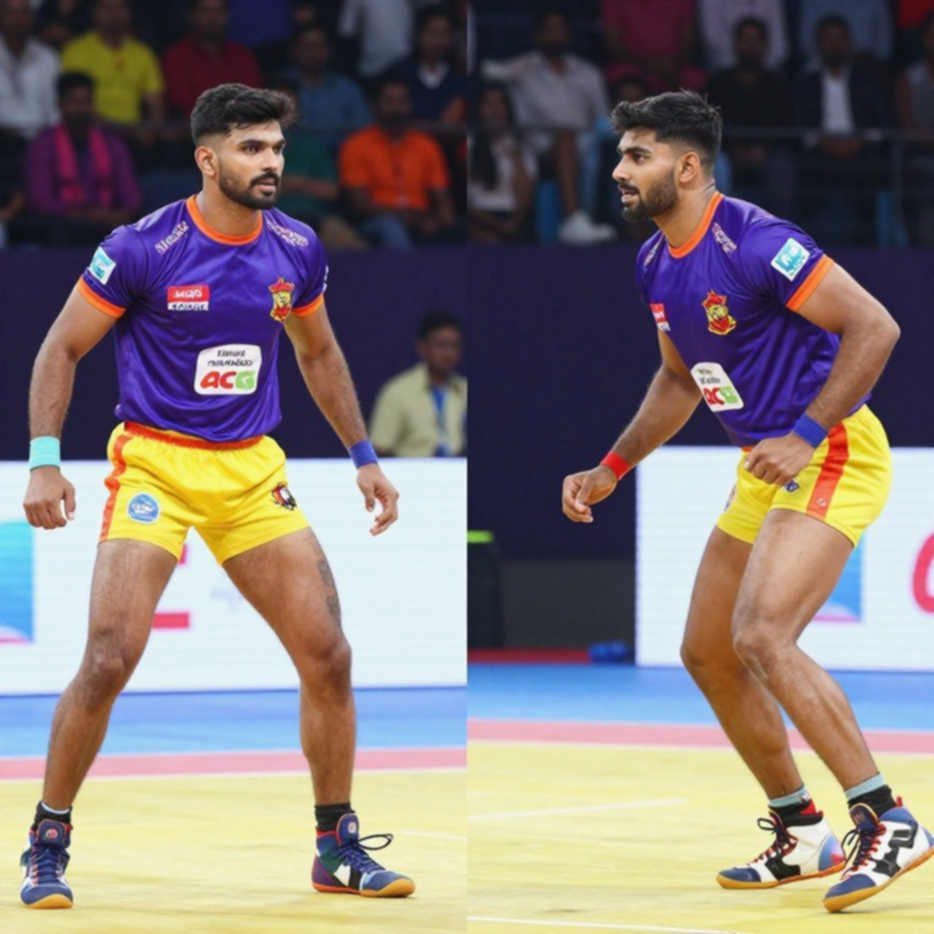
India face Chinese Taipei on September 24, 2026 at 09:45 in their final group fixture. It is a dead rubber and an opportunity to test defensive adjustments. The semi-final opponent will come from Group B, but the overwhelmingly likely final hurdle is Iran. Iran will not stop at the bonus line. That is where India's real 2026 test begins.
Systems fail quietly, long before the scoreboard confesses. India's 48-25 win shows no warning on the board, but the 11 bonus points are a quiet signal that the ninth gold is not yet safe.
Source: Khel Now report; publication: September 2026 (specific date not stated). All statistics are single-sourced and require verification against official results.